Best of Texas Event Vendors

Events reflect the reputation of the organizers. Partnering with reputable event vendors helps protect your reputation, reduces the planning stress and limits the risk of encountering unexpected issues, such as last-minute cancellations or subpar services. So, we've compiled a list of the top Texas Event Vendors, based on reviews and event organizer feedback.

Trusted vendors have a proven track record of delivering high-quality, professional products and services on time. Their experienced staff can bring a wealth of knowledge to developing the intricacies of your event, and their communication and reliability is crucial for ensuring that all aspects of your event run smoothly.

To help kickstart your event planning journey, check out our Best of Texas Event Vendors list, which includes:

Create your event website today at ticketbud.com


Texas Event Planners

Fauxcades (Dallas)
fauxcades.com 
Offering a full service event design, custom fabrication, production and rentals, Fauxcades focuses on the experiential aspect of every event. In addition to helping with your planning needs, their services include graphic design and print shop, paint, carpentry, welding, lighting and sculpture studios. The team was awarded the silver award for Best of DFW Event Planners in 2021 by the Dallas Morning News.

Red Velvet Events (Austin)
Weareredvelvet.com
For more than 20 years, event planners at Red Velvet Events have focused on their mission to “create compelling human connections through insight, design and collaboration for brands on the cusp of disruption.” The full service industry specializes in a strategic, collaborative planning process and has been recognized through 25 international event awards. 

Printing/Signage

ProGraphix (Austin)
pgaustin.com
ProGraphix is a woman-owned, eco-conscious print shop established in 2002. From design to delivery and installation, their team can help with any print project for your event, be it invitations, brochures, postures, directional signs, window decals or murals.

Minuteman Press (National)
minutemanpress.com
Minuteman Press International has been rated the #1 Printing Franchise in the printing industry by Entrepreneur Magazine more than 30 times. The national chain of print shops offers a wide variety of services, including small paper prints or posters to unique swag or branded food items. 

AV/Tech Support

ATX Event Systems (Austin)
atxes.com 
ATX Event Systems is a full service audio visual company specializing in conferencing, brand activations, concert production and installation. Plus, the company has several studio spaces to host your in-person or online event, as well as a staffing arm to relief in areas beyond technical support, such as food and beverage services, janitorial and security.

Karana Audio Visual (Houston)
Karana-audiovisual.com
Established in Houston in 2015, Karana Audio Visual was built by two musicians with an in-depth understanding of the technical needs of putting together a successful event. They offer a full suite of event production services, including lighting, live streaming, audio, video, as well as video production. The company has garnered an Award for Excellence from the Better Business Bureau. 

Photography/Videography

Bennett Creative (Austin)
bennettcreative.co
Whether you need a conference opener video, a highlight reel, or anything in between, Bennett Creative has got you covered. The Austin-based team provides a bounty of event services, including photography, livestreaming, capturing b-roll, multi-camera set-ups, interviews and timelapses. Beyond event work, Bennett Creative is a great asset to any marketing team looking to bring life to their strategies.

Saturn Photography (Austin)
saturnphotography.com 
With more than 300 5-star reviews, Saturn Photography can help your guests relive your event in high–resolution in the days and weeks after the event. The company’s online gallery system makes it easy to share images with guests to view, download and print, with no watermarks included. Their services also include video production for private and corporate projects. 

DTX Media (Dallas/ Fort Worth)
dtxmedia.com
Though located in the Dallas/Fort Worth area, the team at DTX Media will travel across Texas and Oklahoma to capture photos and video of your next commercial or corporate event. Their services include photo booths and event photography to drone footage and video production for any size of event. 

Catering/Bartending

Glory House (Irving)
Gloryhousecatering.com 
Whether you’re looking for pick-up catering, a full-service reception or to host an intimate bistro gathering, Glory House is a go-to vendor for corporate and private on or off-site events. The company has served the DFW metroplex for more than 20 years, earning the title of Best in Irving Caterer every year since 2011. 

The Heights Catering (Houston)
theheightscatering.com 
Completely customize your event day menu with The Heights Catering, serving clients in Houston and surrounding areas. The Heights chefs offer a versatile menu, including African, Asian, British, Middle Eastern and American. The business also offers service from food trucks to bring a unique flair to your next event. 

la Barbeque Food Truck (Austin)
labarbecue.com 
Bring a local Austin vibe to your next event with a BBQ food truck. The female–owned and operated food truck la Barbeque is an Austin staple, consistently appearing on the city’s best BBQ lists. Invite them to your next event to dish up some delicious, locally sourced beef cooked low and slow for 8 hours for that melt-in-your-mouth goodness. 

Texas Event Staffing/Security

5 Star Event Services (Houston, Austin, San Antonio)
5starstaff.com
Established in 2000, 5 Star Event Services has provided security officers, ushers, ticket takers and event staff personnel at more than 41,000 events throughout the surrounding areas of Houston, Austin, San Antonio. Their teams are trained in customer service and have undergone background checks to ensure a positive and safe experience at each event. 

Trinity Event Staffing
trinityeventstaffing.com 
Rated as a top staffing company in the DFW area, Trinity Event Staffing can cover any of your personnel needs for small private events or large seated dinners or conferences. Easily assemble a food service team, brand ambassadors, or extra security staff to help ensure no one staff member feels too much pressure during your event. 

Texas Event Rentals and Decor

Marquee Event Rentals (Austin, Dallas, Houston)
marqueerents.com
Marquee Event Rentals serves any size of event across Southern and Midwestern markets. The company, which recently culminated from six separate vendors, touts the largest inventory of event rentals in the industry, including tables, tents, china, linens, kitchen and serving appliances, crowd and climate control equipment, lighting and more.

Loot Rentals (Austin)
lootrentals.com
Looking for a unique, curated look at your next event? Look no further than Loot Rentals, a boutique event rental company serving Austin and North Texas. The company’s rental catalog includes bars and tables, dining sets, seating, outdoor furnishings, decor, vintage items and more.  

Entertainment

Texas Entertainment Group (Dallas, Houston)
texasentertainmentgroup.com
No matter the fun you’re hoping to add to your event, Texas Entertainment Group is there to help. Their team will work with you to determine what entertainers, extreme sports, or inflatable games might enhance the experience at your next corporate, school, or community event.

GigSalad
gigsalad.com
If you’re looking to hire an entertainer for your next event, check out GigSalad. The nationwide talent search database will help identify an extensive list of potential musicians, DJs, speakers and entertainers to suit your event needs and budget. 

Texas Venues - Austin

The Sky Lounge on Lady Bird Lake (capacity 35-150)
skyloungeonladybird.com
Located in the heart of downtown, The Sky Lounge on Ladybird promises astounding views of the city and Ladybird lake, as well as convenient access to many popular downtown attractions. Whether you’re hosting a small holiday gathering or a larger community function, the venue offers additional amenities, such as bar and catering services, staging and sound systems, as well as convenient parking and security. 

The Austin Convention Center (capacity 7,000+)
austinconventioncenter.com 
The Austin Convention Center has a bounty of space and resources, and is equipped to handle any of your technological, catering, and security needs. The venue is homebase for many massive events, including the annual SXSW festival, but can also host much smaller events within its 50+ meeting rooms.

Texas Venues - Dallas

Texas Ale Project (capacity 28-600)
texasaleproject.com
Give your guests a local experience by hosting your next event at one of Dallas’s hometown breweries. The Texas Ale Project has a variety of unique event spaces to host anywhere from 28 to 600 guests. The biggest benefit of the venue? The drinks, of course, as well as its AV, catering, wifi and parking amenities. 

Southfork Ranch (capacity 2,000)
southforkranch.com
Nestled on 300 acres of groomed ranch land, Southfork Ranch gives event organizers plenty of room to spread out for large events, or scale down for small gatherings within its private meeting spaces. The venue, which was made famous for its appearance on the TV show "Dallas," is the perfect place to blend boots and business and has staff onsite to help with your next event. 

Texas Venues - Houston

Ronin Art House (capacity 50-150)
rentalsatronin.com
Hundreds of Google reviews reiterate the same sentiment: If you want to host an intimate event in a unique and beautiful space, look no further than Ronin Art House. Event organizers can choose from three venue spaces based on the size and vibe of the event. Each space is architecturally designed to play with angles and light to present a new definition of industrial chic. The venue is willing to work with any outside vendor or caterer.

Asia Society Texas (capacity 1,360)
asiasocietytexasrentals.org
The stunning cultural center, designed by world-renowned Japanese architect Yoshio Taniguchi, is consistently recognized with Houston’s Design Award for its elegant blend of Japanese and Western the design. The inviting atmosphere hosts five indoor and outdoor event spaces, or planners can choose to rent out the entire building. 


Keep in mind that the event industry is dynamic, and event vendors may change over time. It's crucial to research and contact event vendors directly to inquire about their current services and pricing for your specific event needs. Additionally, reading reviews and getting recommendations from event planners, venues, or other trusted sources will help inform decisions when selecting vendor partners for your next event.

A Complete Event Planning Checklist

Planning an event can be an exciting but daunting task. Whether you’re planning a fundraiser, corporate conference or a private gathering, making your event a success requires meticulous planning. Below, we offer a complete event planning checklist to help you plan and execute a memorable and successful event. 

Pre-Planning Checklist: 4-6 Months Before the Event 

Before diving into the details of your event planning checklist, it's crucial to have a clear understanding of your event's purpose and objectives. Ask yourself what you aim to achieve with this event. Are you raising funds for a cause, celebrating a milestone, or launching a product? Consider who the right people are to help achieve those goals - think: partners, vendors, sponsors, staff, volunteers, etc. Having the right people in place and clearly defining your objectives sets the tone for the rest of the planning and process. 

In this stage, be sure to: 

Get the Ball Rolling: 3-4 Months Before the Event

At this point, the event date is set and you should be rolling full steam ahead with planning. It’s important to secure partnerships, such as sponsors and collaborators, early on. These relationships will help amplify your event promotions as you build interest and anticipation for your event. Consider hosting early bird sales to lock in audiences that are already engaged with you. These folks can also help spread the word about your event. 

In this stage, you’ll need to: 

Ramp up Sales and Promotions: 1-2 Months Before the Event

It’s time to spread the news far and wide about your event. Finalize and use event details, such as partnerships or novel experiences, to pique interest and build interest in your event. Tease your audiences with news about what they can expect and encourage those who have already committed to refer others to your event. 

During this phase, it’s important to:

Tie Up Loose Ends: 1-3 Weeks Before the Event

The last month leading up to your event is your chance to review your entire event planning checklist thus far. Start thinking about what your event will look like from start to finish, run it by all who are involved and ensure you have all the people and mechanisms in place to execute it successfully. Additionally, if your ticket sales have become stagnant and you're worried about attendance, it may be time to consider last-minute sales or promotions. 

During this time period, complete the following: 

The Calm Before the Storm: 1 Day Before the Event

Today is the culmination of all of your preparation, when all the pieces come together to show the exact potential of the event you’ve been planning. During set-up, work closely with your event stylists to create a cohesive and visually appealing atmosphere that matches the theme and purpose of your event. Pay attention to details like table settings, lighting, signage, and seating arrangements to enhance the overall experience.

To prepare:

It’s Showtime: the Day of the Event Checklist

Take a deep breath. The day you’ve been preparing for is finally here. And because of your careful planning, you’re ready for it. On the day of the event, coordinate with your team and vendors to ensure everything runs smoothly. Assign someone to manage logistics, oversee the schedule, and handle any unexpected issues that may arise. Be prepared to adapt and make quick decisions as needed.

Follow-Up Checklist: 1 Week After the Event

After the event, be sure to show gratitude to all of your attendees, partners and vendors while the experience is still fresh in their minds. This is important to preserve trusting, working relationships. Use your follow-up as an opportunity to gather feedback from everyone involved. This information will help you evaluate the success of your event, identify areas for improvement, and allow you to make informed decisions for future events.

Within the a week of your event, consider the following:

Post-Event Analysis: 1 Month After the Event

After you’ve had some time to decompress, take time to look back on the experience, measure your success and identify any lessons learned. What you determine in this phase will go towards improving events for years to come. 

During your post-event analysis, be sure to: 

Planning a successful event requires careful preparation, attention to detail, and effective teamwork. By following this comprehensive event planning checklist, you can create an event that not only meets its objectives but leaves a lasting impression on your attendees. 

Remember that flexibility and adaptability are key, as unexpected challenges are a part of event planning. But through dedication, trusting partnerships and the right planning strategies, you can host a memorable and successful event.

Ideas for Planning a Fall Festival or Event

Fall is one of the busiest times of year. With school events, holidays and travel, it can be easy to lose touch with communities and audiences. But the season also provides many opportunities to connect through specially timed and themed festival or event. 

According to Bizzabo, most marketing professionals (95%) recognize the value events hold for creating in-person connections. And, an Eventtrack industry study found that 74% of attendees had a more positive opinion about a company, brand, or product after a great event. 

“Event marketing facilitates customer engagement with brands in a meaningful and multi-sensory way, building a strong, memorable emotional connection between brands and audiences,” says Gabrielle Mratinez, Managing Partner of the agencyEA. “Additionally, live experiences are invaluable opportunities for content generation and data collection to inform future campaigns.”

To help stay engaged with your audiences this autumn, consider the hosting a fall-inspired event like those outlined below:

Community Events

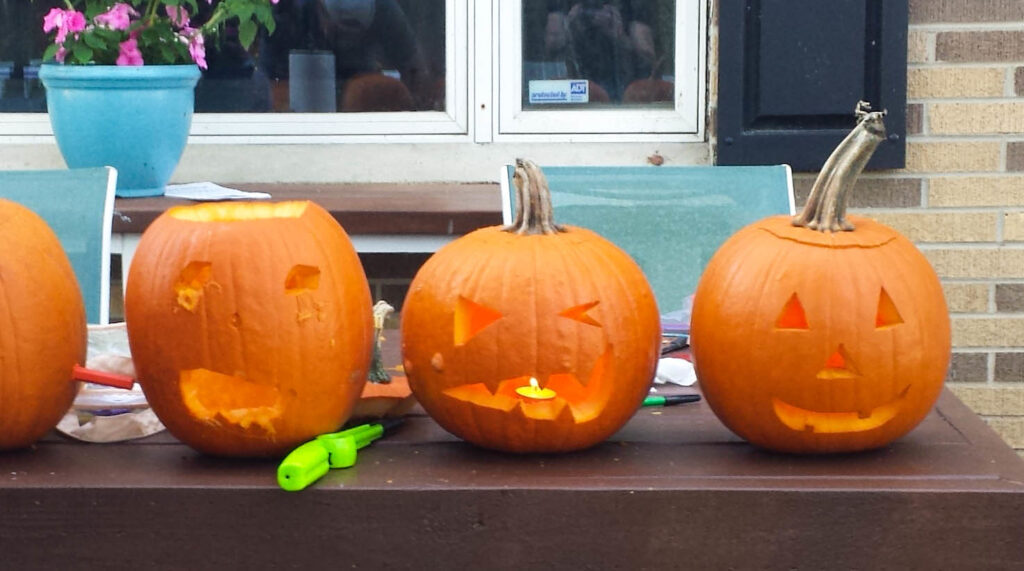
Tis the season for gathering. So consider hosting family-friendly events that bring together the community, such as a pumpkin carving contest or a movie night. 

A pumpkin carving contest could offer a range of prizes – think, “most creative,” “funniest,” “scariest” or “best overall.” Just be sure to come prepared with carving tools or paint, stencils, and trash cans for all the pumpkin guts. 

Similarly, a movie night offers a fun and relaxing way for families to get out of the house. To get into the fall spirit, consider hosting the event in a park with a projector screen. You can even sell popcorn or hot chocolate if it's a little chilly outside. But have a back-up plan in case the weather doesn’t cooperate with your event. 

Start Planning Your Fall Event

Create a free event website with Ticketbud and upload your entire community contact list. Then, send invitations to your contacts directly from the site. 

School Events

With school back in session, fall is buzzing with dozens of exciting social and sporting events. So consider ways you can enhance regularly scheduled events with fall touches. 

For example, turn your homecoming game day into a fall festival, with a parade, games, booths, and more. Make it an event alumni and families will want to flock to by getting the entire school involved. Student organizations can fundraise by creating their own parade floats or game-day activities.

Start Planning Your Fall Event

With a day or a weekend full of events, it’s expected that some people may not be able to attend every activity. So use the breakdown of events as an opportunity to raise more money. With Ticketbud's ticket editor, organizers can create multiple ticket types so people can purchase tickets to the activities that interest them most.

Fundraiser Events

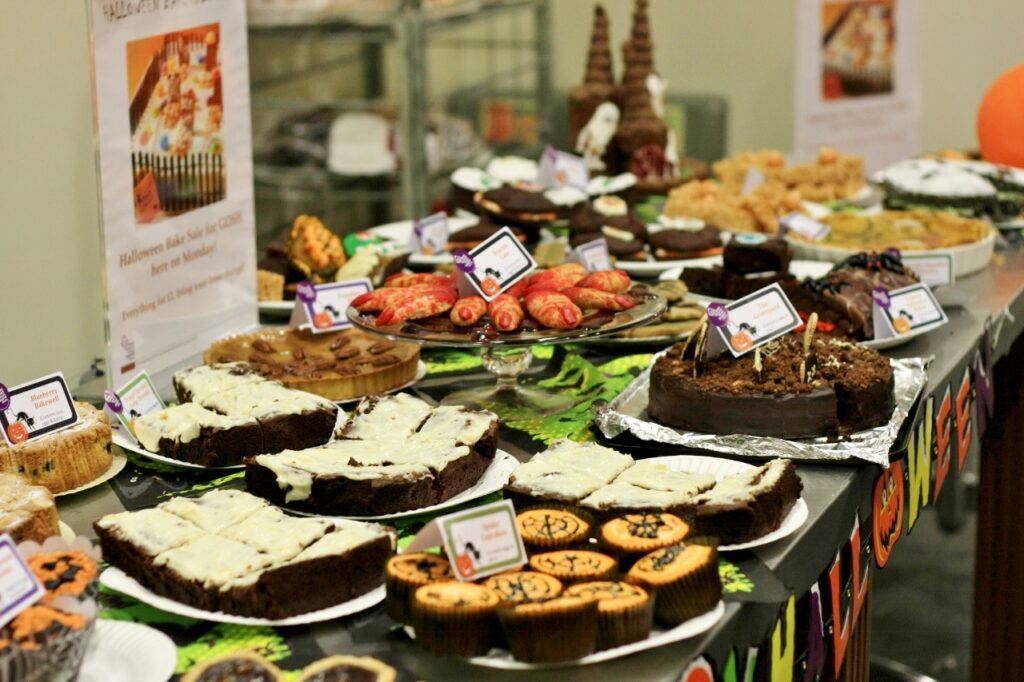
The holidays always bring about a giving spirit. So, consider hosting a fundraising event to round out the year. How about a Thanksgiving Turkey trot? Or a pumpkin-spiced bake sale? 

When hosting a fundraising event, make sure your audience knows who the benefactors will be. Include any sponsoring or partnering organizations within the branding and descriptions of the event. Provide a brief background on any organizations receiving funds from the ticket sales. These details help influence people to buy. 

Start Planning Your Fall Event

Create a free event registration page using Ticketbud. In addition to allowing users to set up multiple ticket types, event organizer’s can create a donation button for the registration page. This lets those who want to give a little extra or donate in lieu of their participation a chance to do so. Ticketbud can also help organizers manage any race day needs with easy mobile check-in and race bib assignments. 

Pop-up Events

Pop-up events are an exciting way to draw in new audience members and bring attention to a brand. If you’re thinking about hosting a fall pop-up, why not stick to the fall theme?

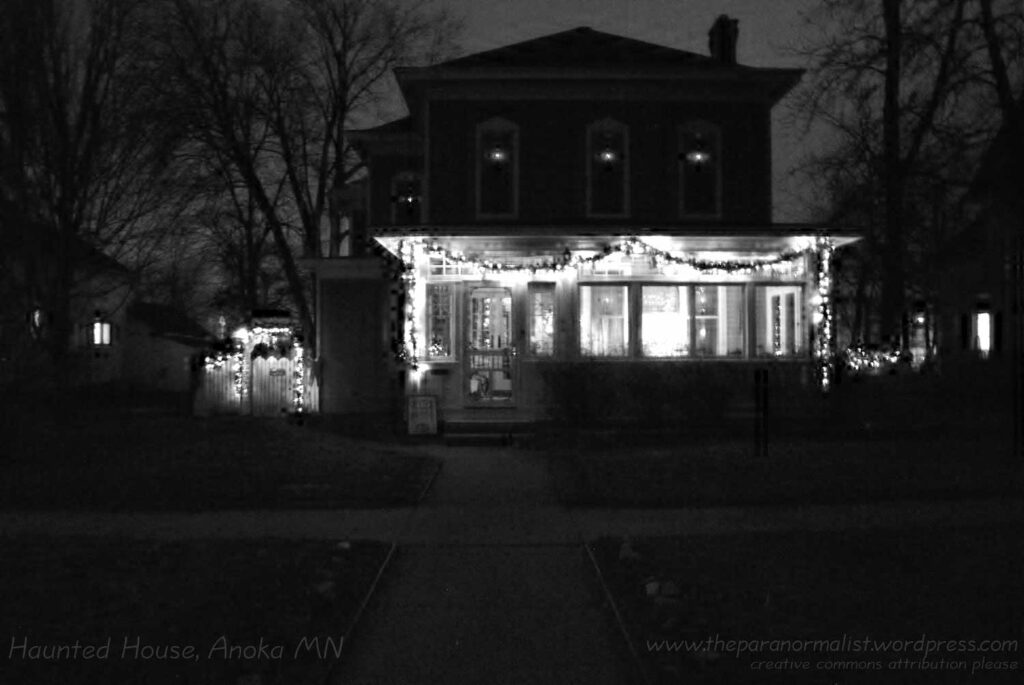
For example, host a haunted house. These events are temporary in nature and always hosted in a unique location. To make it a success, recruit some helping hands. Hire theater actors from a local school or university to play the scary parts and get ideas from your contacts on their best haunted house experiences. 

Start Planning Your Fall Event

Set-up an account page for your organization using Ticketbud to keep track and showcase multiple events to the public. Customize each individual event page’s set-up so that other events in the series are promoted on each event’s page. 

Conferences and Trade Shows

Spruce up your conference or expo with fall-centric foods, activities, swag and recommendations. 

If people are traveling from out of town, provide a list of area recommendations of where they could find fun fall activities or good eats outside of conference times within your printed or online program. Hosting a day-long or multi-day event? Pick a fall harvest inspired menu to make your attendees feel at home during their visit. 

Start Planning Your Fall Event

Since conferences and trade shows draw in attendees from around the world, get ahead of event marketing. Create a cohesive brand for your event that is recognizable across all the platforms – website, social media, email. Use the design to develop your own custom banner for your event ticketing page. Here’s a template to help get started. 

Chamber of Commerce

As businesses wrap up and evaluate the activities of the entire year, their leaders must use that data to prospect for the year ahead. Give local businesses the resources they need to be successful in the year ahead by introducing them to others leaders in the area through a fall mixer. 

Networking events provide ample opportunities for people to make meaningful connections with others who can support their business pursuits. Plus, the event itself makes for a great opportunity for a chamber of commerce to get the word out about the organization and recruit new members. 

Start Planning Your Fall Event

Utilize the power and influence of your current audience to create buzz, excitement and ticket sales for your event. Set up special promotions for event registration. Offer discounts to members of your organizations or special discount codes they can pass on to their contacts who they’d like to join the networking event.

Virtual Events

Stay engaged with audiences throughout the busiest travel season by hosting virtual events, such as a series of mixology, baking or cooking events. 

Mix up the next online event with some audience participation and invite guests to recreate a drink or food recipe together from the comfort of their own home or travel destination. The recipes could be suited for fall, such as mulled wine or pumpkin pie. Just make sure the guests are prepared with the appropriate ingredients ahead of time. 

Start Planning Your Fall Event

Build the cost of the ingredients and shipping into your budget, and plan out how to get the recipe packages to the audience ahead of time. If using Ticketbud, utilize the custom questions tool to ask audiences for their shipping address. That way, everyone is ready to make the recipe as soon as they click “join meeting.”

Private Events

Get into the Halloween spirit at your next private event. 

Hosting a costume party? Special themes have a way of getting people excited and talking about an event as they plan out how they’re going to dress the part. Give guests ideas for how to dress the part or offer prizes for those who go above and beyond. 

Or, lean into the spooky season by planning a murder mystery party designed around the interests of your entire group, such as the Roaring 20s, the Wild West, or Harry Potter. Take extra time to plan out the details so the decor, food and even your guest’s characters are all on theme. 

Start Planning Your Fall Event

The devil is in the details when hosting themed events. To ensure your guests are in the know about what to expect and how to prepare, create an event website with a detailed description of contests or game play. Ticketbud makes creating and editing an event website easy with its intuitive page editor, which allows you to customize your event details and see how they appear to your guests in real time. 

Fighting Fyre: Epic Event Fails and How to Avoid Them

Event fails come in all shapes and sizes, from minor mishaps to epic messes. When high profile events go wrong, they make the news and we all get to learn from them. 

Below, we showcase five examples of epic event failures and lessons learned. Though these mistakes seem obvious, they highlight the need for proper planning and risk assessments in every event planning process.

Better to learn from the mistakes of others, than make them ourselves. Read on for more about how to prepare for and avoid common event failures, and how Ticketbud can assist in your event success.

EVENT FAIL 1 - Not Living Up to the Brand 

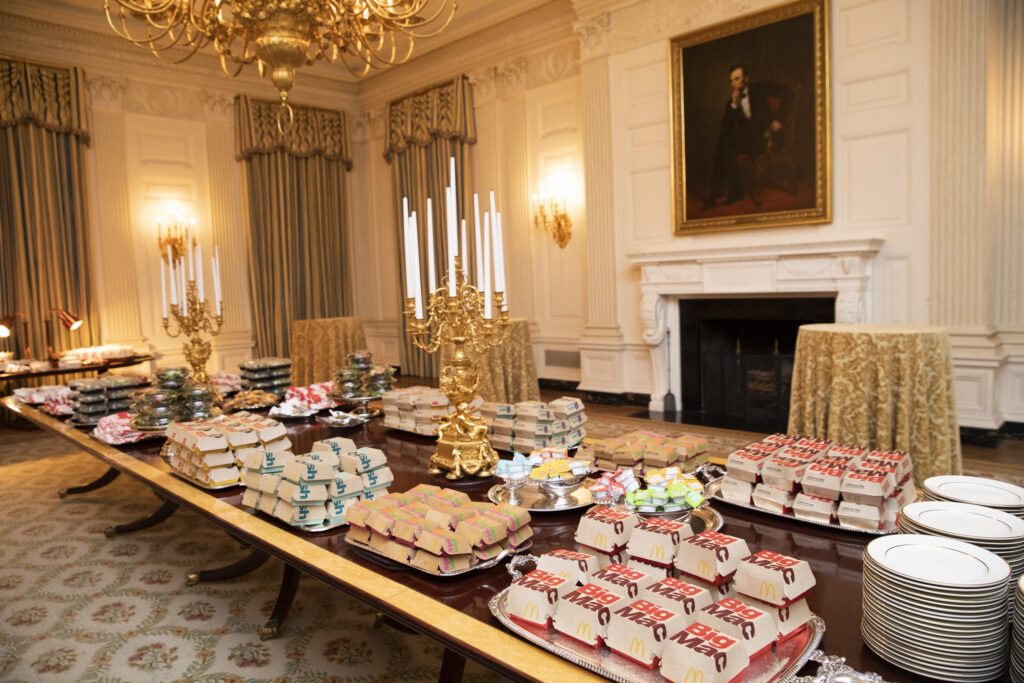
In January 2019, the Clemson University football team was invited to dinner at the White House after their National Championship win against The University of Alabama. But instead of a 5-star, multi-course meal, the champs lined up for a buffet of “everyone’s favorite fast foods.” 

Official White House Photo by Joyce N. Boghosian

Perhaps, organizers assumed that college-aged men would like popular fast foods. Or more likely, there was a catering fail that led to a last-minute fix. Regardless, the honorary meal was subject to criticism from a national audience, many of whom believed the winners deserved better. The dinner did not meet the expectations for what the White House brand represents. And the brand took a PR hit because of this. 

How to avoid this epic fail:

When planning your event, it’s important to be clear about your brand positioning, who you’re planning the event for and why. Whether you promote yourself as a luxury brand or a family-friendly brand, your event needs to reflect that. Revisit these ideas throughout your planning process to ensure each decision aligns with your brand, event goals and audience. 

Ask yourself: What is the purpose of the event? What are we hoping to achieve? How does our brand align with that? 

If you choose to use Ticketbud, you can create a custom webpage from an easy to use template. Add all your event details, graphics (artwork, photos, videos and maps), ticketing information and clear terms and conditions to ensure attendees get a clear picture of the event experience.

EVENT FAIL 2 - Busting the Budget

Financial shortfalls are sure to cause event failures. Therefore, defining a clear budget should be one of the first steps in your event planning process. Not every event needs to offer a swanky, over-the-top experience. But if you promote a premium experience, you need to build a budget for it. Then, understand how expenses and revenue streams (vendors, tickets and sponsorships) might make or break your bottom line.

Take it from the organizers of DashCon, a convention hosted for Tumblr fans in 2014. Marketing for the event touted celebrity guests, top-level speakers and a highly anticipated ball pit. When the reality of the event's costs hit, the organizers did not have the funds to cover what they promised. 

The only way organizers avoided canceling the highly-anticipated event was by asking attendees to fork up $17,000 to the hotel venue – by midnight! Somehow, they were able to crowdfund the debt. But then, speakers who were left unpaid began to drop from the conference. Those who stayed and assisted with the unexpected payments were rewarded with raffle tickets for extra time in the ballpit, which turned out to be a half-deflated kiddy pool (and the butt of the biggest meme of the year).

While some found humor in the crisis, most participants got angry. Organizers had to refund registrants who paid through PayPal, but those who paid cash were out of luck.

How to avoid this epic fail:

To avoid repeating a massive financial mistake like this, you need to create a comprehensive budget and balance sheet. Know your upfront costs, from the venue to construction, lighting, sound, security and catering, as well as speakers and entertainment. Take into account hidden costs like permits, production costs, extra security and safety requirements.

Review and understand your budget and costs from the beginning. Make clear how you will cover expenses  and turn a profit.

It’s ok to expect to cover some upfront costs with ticket revenue. If you need that early cash flow from ticket sales, choose a ticketing provider that ensures early payouts. This way, you’re not scrambling close to billing deadlines. 

Ticketbud offers daily, weekly and monthly payouts, so you can access those funds before your event.

EVENT FAIL 3 - Overpromising and Under Delivering 

We couldn’t talk about the ultimate event failures without mentioning the infamous Fyre Festival,. The event was an overhyped, luxury music festival set to take place in the Bahamas in May 2017. With endorsements from the likes of Kylie Jenner and Ja Rule, the festival promised beachfront parties, gourmet food, private jets, and performances from Migas and Blink 182. 

This was a classic case of big dreams and no follow through. The organizers were inexperienced with grand ideas but no practical execution plans. Attendees paid between $500 and $1,500 for day tickets, with VIP packages that included flights and accommodation costing around $12k. In the end, the high price tag got them stranded on an island, fed FEMA sandwiches, and set up in shabby tents. The event was a failure of epic proportions and organizers faced jail time for fraud and $26 million in fines.

Similarly, organizers of the 2017 New York City Pizza Festival created a recipe for hanger in promising “a day-long celebration for the dough, cheese, tasty sauces and delicious toppings.” The event was dubbed the Fyre Festival of NYC Food Events. Attendees arrived to a parking lot of mostly empty booths with small samples of cold pizza. This was nowhere near the expected value of the $75 ticket price.  

Slices from the New York Pizza Festival. Facebook.

In both cases, trust was shattered between the organizers and their audience, as well as everyone witnessing it unfold in the media. The lawsuits and documentaries that followed not only damaged the reputations of those involved, it also made the general public extra cautious about events that could be a scam.  

How to avoid this epic fail:

If you promise something, know exactly how you are going to deliver on that promise, including how to fund and execute. It's ok to be vague on some elements of your event as you fine tune the details, but don’t make promises you can’t keep. 

Also, don’t scam people, it’s not nice! 

EVENT FAIL 4 - Being Reactive Instead of Proactive

No matter how much time and effort you put into event planning, something is bound to go off-course. However, failing to have any backup plans in place, especially for common issues such as weather, creates unnecessary stress.  

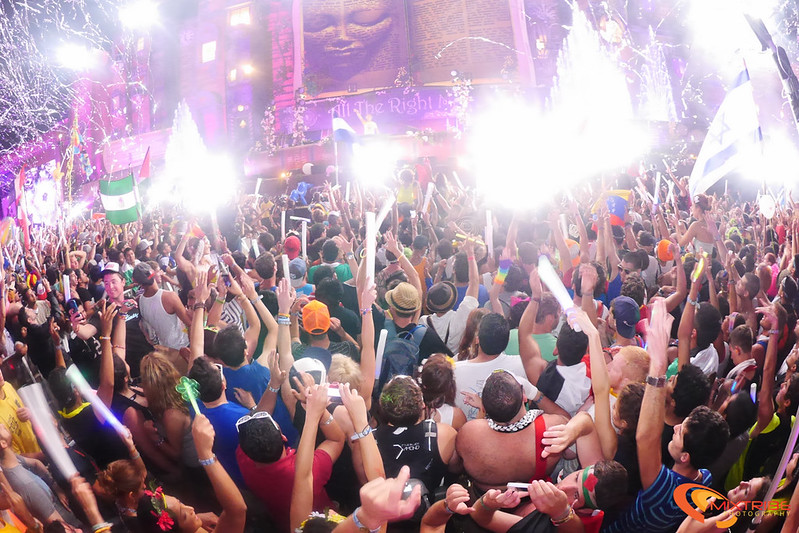
Need convincing? Take TomorrowWorld 2015 for example. It should have been the perfect event: a weekend of music set on 8,000-acres of Georgia farmland. But what the organizers didn’t account for was rain, and lots of it. 

TomorrowWorld 2013 in Chattahootchie Hills, Atlanta Georgia. MixTribe, Flickr

The rural resort quickly transformed into a vast mud pit. And because organizers closed off transportation access to the festival grounds, attendees were “left to rot like the walking dead,” as one festival goer put it. Many who set off to find rides outside of the festival grounds faced high-surging rates for rideshares. Others spent the night on the side of the road.

How to avoid this epic fail:

While being adaptable is a useful skill of event organizers, an even better skill is having contingency plans. Avoiding another TomorrowWorld is reason enough for you to complete risk assessments on all aspects of your event beforehand. 

When things get out of hand and there is no back-up plan for your back–up plan, you may have to cancel or close your event. If mother nature or something outside your control takes place, it helps if your contingency planning includes coverage for your ticket revenue. Ticketbud has integrated event cancellation protection through Event Protect. So in the instance of a qualifying event cancellation, the organizer can claim ticket revenue back through the coverage, saving funds to help cover sunk expenses. 

EVENT FAIL 5 - Mispricing Tickets or Registration 

In 2009, two young blokes in Australia were sick of high-priced tickets and drinks at events and decided to take matters into their own hands by creating their own music festival. Thus, Blueprint Festival was born, promising the best three days and nights you could get in Victoria without breaking the bank. 

Marketing was a huge success, attracting 5,000 attendees looking for fun on a budget. But the 23- and 20-year-old organizers with no event experience ran out of money before paying the performers, vendors, and the venue. They claimed they expected to make more money from food and drink sales than they did. But perhaps setting a higher ticket price could have also helped. In the end, the organizers faced bankruptcy and even death threats. And their performers, vendors and venue were left thousands of dollars out of pocket . 

How to avoid this epic fail:

We are back to proper budgeting. While it might seem that a low- or no-cost ticket would be popular with attendees, it cannot come at the expense of your partners. Determining the right pricing strategy is critical to an event’s success. 

If you have a diverse audience, and want to limit barriers to entry, consider offering multiple ticket options or tiered pricing for your event (think: General Admission, Gold and VIP). Ticketbud makes it easy to create multiple ticket types for your event, or create ticket packages that include drinks, catering and other experiences. 

This allows you to offer different pricing levels and experiences to your various audiences. It also gives you opportunities to work with sponsors or partners to design branded, exclusive experiences that can bring in extra cash flow if people are willing to pay.

Additionally, Ticketbud helps you host and schedule ticket promotions or sales. Special promotions can further limit barriers to entry for those within your customer base that are more price sensitive. The further out from your event you can see revenue the better. Consider hosting an early–bird special with lower ticket prices to get people excited and engaged early-on in your event planning. Or, schedule a limited-time sale with a holiday to boost interest and sales.

Event Registration Software

People are more comfortable than ever buying tickets and registering for events online ahead of time. So, it’s more important than ever for event planners to familiarize themselves with online event registration software and tools that can help simplify and enhance the event experience.

How do you handle event registration?

Websites, such as Ticketbud, provide easy-to-use event registration software for planners to manage and promote their events. The online tool allows event managers to create event pages and host registration and ticket sales for free. If hosting a paid event, there is a small fee passed along to ticket buyers.

The ticketing tool also allows for customization at every step of their event registration process. Event organizers can create different ticket types (GA vs. VIP), automate sales timelines, and design the look and layout of each ticket. They can also create custom questions for ticket buyers to help capture important information about their audience. This feature can be used in place of a traditional registration form. 

What is registration software?

Event registration software provides an online platform to plan, create and manage paid or unpaid sign-ups for events. Useful event registration platforms, like Ticketbud, consist of an online back-office for event planners to organize and promote registration, as well as a user interface for attendees to learn more about the event and purchase tickets. 

How to choose the right event registration software

When considering which online event ticketing software to use, take stock of key features that can help ease processes before, during. and after the event. 

With Ticketbud, event planners can create custom event webpages to share across online platforms. The platform’s ticket editor allows users to create and customize costs and sales timelines for multiple ticket types. And its promotional tools can help planners create and track special sales, referrals, or marketing campaigns.

Ticketbud also helps streamline event-day activities, such as arrival or check-in. For example, when attendees register through Ticketbud, they’re emailed a unique QR code that can be easily scanned on-site through a mobile app for secure check-in. It also provides communication tools that allow planners to email attendees ahead of the event with details they may need to know before they arrive, as well as follow-up with any post-event messaging. 

But perhaps the most important feature to consider is cost. While many event registration softwares offer all the capabilities for successful event registration, it's not all-inclusive in their base-level user’s cost. With Ticketbud, these features are free for all users. 

What is a registration management system?

Ticketbud is a registration management system that streamlines event organization and makes it easy for participants to sign-up. The online tool allows event managers to create a custom event pages and register or sell tickets to participants through an easy online process. 

Registration management systems can vary in cost and features. However, Ticketbud’s entire suit of ticketing features is available to every event host on the site. For example, the ticket editor allows users to create multiple price points for different ticket types or merchandise sales. Use it to automate specially timed sales promotions. 

The online registration system also provides planners with communication and marketing tools. Event managers can send invites and email up-to-date information to participants directly through the site.

How do I create an online registration form for an event? 

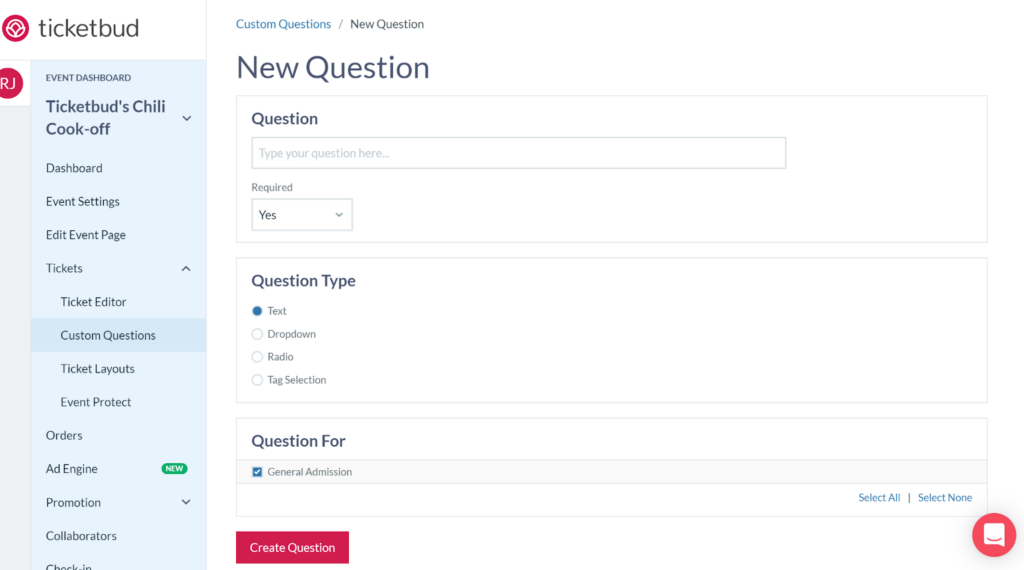
Event organizers can easily create an online registration form using Ticketbud's “Custom Questions” feature. 

When drafting your questions, you can choose from different types of response formats, including text, dropdown, radio or multiple choice. You may also choose whether the response is required or if it's specific to a particular ticket type.

As participants purchase their tickets, their responses will be recorded with their order. This way, when you run a report of the ticket sales, you can view individual responses to each prompt. 

Custom questions are also a great way to gather other information from participants, such as suggestions for content, questions for speakers, or info on how they heard about your event.

Essential Design Tips for Event Websites Part 1

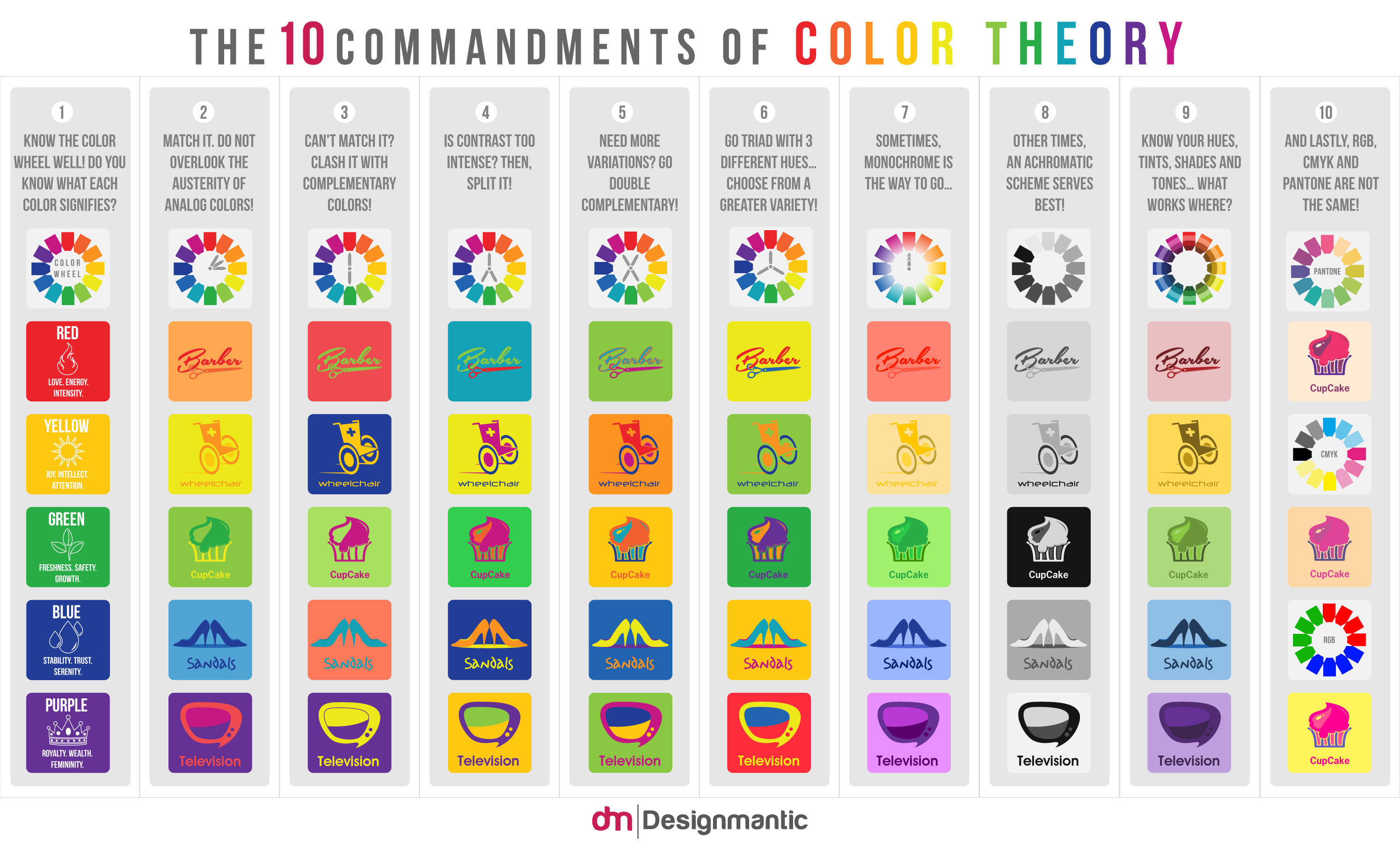
cheap than you are dead in the water. "But I'm a marketing person! I'm not a designer!" I can hear quite a few of you saying through the tinny speakers on my laptop. That's okay, I'm not technically a designer either, I just play one on the Internet. Basic design principles are universal and fairly easy to understand. No one is saying that you, the event promoter, need to be able to deliver a graphically designed band poster that fulfills all 6 basic design guidelines. You're busy enough as it is, no need to throw that on your plate as well. What you should be able to do, however, is follow along with these major tips to make sure that your event poster, event page layout and everything else you have that will be customer-facing is designed well to entice the customer. Don't worry, I made sure to keep the tips short and sweet. Let's get to it! 1. Make sure your font choice is unique, legible and not Papyrus. [caption id="" align="alignright" width="113" class=" "] Do not use this guy.[/caption] Font choice is perhaps one of the hardest things to do when designing an event page and digital flyer. There are so many font choices out there it can be hard to narrow it down to what you want but it is important that you take the time to do so. While some larger corporations may have a set standard group of fonts that must be used across all mediums for the company, many others allow for freedom when it comes to flyer design and that is when you need to take the time to check out your options. You want your font to reflect the event you have going on. To pick through your fonts it is good to understand the four main types of fonts: sans serif, serif, decorative and script.  Piktochart has a great graphic for understanding how these font types look: [caption id="attachment_23224" align="aligncenter" width="247" class=" "] credit: piktochart [/caption] [caption id="attachment_23223" align="aligncenter" width="250" class=" "]credit: piktochart credit: piktochart[/caption]   There are obviously a lot more sub-types under these four but these are the main groups. Do you have a real relaxed and fun event? Than a sans serif may be the best option for you. Have a wine tasting party? You may be able to go more towards a decorative or script font, depending on the location. Again, the type of event you have should be paired within the font and do not use Papyrus. No event matches Papyrus. Not sure where to go to pick a font? There are a lot of places that have great fonts for cheap prices or for free (as long as it is a non-commercial use) and Canva has a lot of fonts already built in to their picture building app. So don't worry, you'll totally be able to find great fonts no matter where you're making your designs. Do not use multiple fonts willy-nilly You may think that using multiple fonts makes your banner interesting and unique and looks fun but using too many fonts makes a design look unfocused, messy and cheap. No one wants their event to look cheap. You may be hosting a free block party but that doesn't matter, you want it to look like a million bucks. [caption id="attachment_23232" align="aligncenter" width="450"]allthefonts I mean lets all agree this isn't the look you should go for.[/caption] Some of these fonts look good. Some even begin to look good together, but all of them? All at once? Yeah its a mess. But how do you pair font for visual interest when you're not really sure of things like alignment and kerning and you've got like ten minutes to spare to create a fantastic flyer? Easy, stick with a font that offers multiple weights and variations. It is much easier to pair fonts that you know already go together. [caption id="attachment_23233" align="aligncenter" width="450"]tb We look classy! Using Avenir black + Avenir light[/caption] I used Avenir, a font that comes with multiple weights with an option for oblique (that's italicized). Because they are the same font you won't have to worry about combatting different styles and making them mesh and it works well to create interest. Super easy. If you have a bit more time and are feeling a bit more adventurous and really want to create some difference in text, look for font pairings that have a contrast but similar tone. Like up above, you wouldn't pair the font for "and really" with the serif of "fonts" those do contrast, yes, but the tone is different. One is highly stylized and messy and the other is very clear and classic. [caption id="attachment_23234" align="aligncenter" width="450"]After writing a word over and over enough times, it really doesn't look like a word anymore. After writing a word over and over enough times, it really doesn't look like a word anymore.[/caption] These are all very different fonts but each font within each word does go together. Varying your weights is a great way to cause interest, as we've said, but so does mixing up some serifs and sans serifs, handwritten script and bold sans serif. And, in the bottom two we get to also play with all lower case vs all upper case, another great way to provide interest and difference without going too crazy with size difference. There are a ton of resources for learning a bit more on typography as it is definitely an art. We want to provide just the basics to get you going but if you enjoyed this check out Envato tuts+ deep dive into font pairings or Canva's design school. 2. Make sure your colors go together. Do not make eyes bleed.  So you've got your typography down, now to move on to colors. Picking the right colors are important as you want to create interest (there's that word again) without making someone's eyes bleed. If you're making an event for an organization, you probably already have your color palette picked out for you by using the company's colors (notice the very bright pink that has been used throughout this post?) but that's fine. Most companies higher design teams to come up with their color standards so you're good, you know your colors should complement and go well together so you can skip down to where we talk about how to use them together. If, however, the hex palette is your oyster and you can pick any color you want, it is good to have some idea on color rules, like the one about not making eyes bleed. Each color signifies different things, red is vibrant and sexy and bold and blue is calming and serene and black is luxirious and expensive, etc. So before you go randomly picking any color at will just because it looks pretty (no shame, this is totally a strategy I have often employed) take some time to think about what kind of look you want and what tone you want to set. Once you've decided on a main color, head over to Adobe Color. You pick your color and it will generate what other colors will complement it, contrast it and what palettes will work the best for you. It makes the guess work out of what colors can you use together so much easier. If you want your look to be very relaxing, monochromatic palettes are nice. None of the colors jar and everything flows together. If you're looking for colors to create a bit more visual interest, but not too much, check out complimentary colors on the wheel, they pop but not too much. Then of course there are contrasting colors which will offer you the largest visual distinction. They jar but in a good way but should be used sparingly, again, bleeding eyes, remember. Too much contrasting colors can create discord which is not what we want when promoting an event. For a good breakdown on how these look check out this infographic from DesignMantic on the 10 color theory commandments:  This infographic does a great job of showcasing different color types for use in graphic elements or logos and even some font but I think it is important to offer a huge bit of advice: be careful going too crazy with color with your font. Above all else you want your information to be readable, using a red background and green font may be contrasting yes, but when the font is size 12 and both colors are bright, all it does is make eyes bleed and no one can properly get the information they need from the banner. [caption id="attachment_23235" align="aligncenter" width="450"]Better one? Or better two? Definitely one. Better one? Or better two? Definitely one.[/caption]   So in this part we've gone over the importance of typography and color with regard to event design. Above all else, you want your event to pop, to make people see it and want to know more and capture their interest. That is what good design is about. By ensuring your banners and event pages are designed well, you'll be able to capture more interest from your audience. Now, you should have an idea of how to pair your fonts to your type of event and how to pair them together. Additionally, you're probably awesome at color pairing and making your banner grab a viewers interest. If you're looking for more information on design, check out the links in this post and make sure to subscribe to our blog for the next part!]]]]> ]]>
7 Habits of Highly Successful Event Planners

1.Never Stops Learning Did you know that most people only read one book a year, and that this number is declining? Talk with most people, and they’ll tell you that after they graduated from college or they received their event planning certification that they’re done with learning. To be successful, you need to keep advancing your knowledge. And this isn’t just about reading books, it’s also about getting experience and practical tips to know how to run a successful event. So whether it’s reading blogs of other event planners, buying books on event marketing, or helping out your friend with her bridal shower, you need to keep honing your skill set. If you don’t, you can and will fall behind. 2.Works Well With Others You might be the only event planner for the event, but that doesn’t grant you omnipotence. For most events you’re also going to have to work with caterers, speakers, ticketing, vendors, and a lot more. Even the most basic events will require you to coordinate with others. A valuable tip, and also the Golden Rule: “people treat you how you treat them”. 3.Uses Technology (When Appropriate) There’s a whole slew of event technology nowadays, so much it seems overdone. There’s iBeacon, RFID, conference apps, event management software, and so much more. To make matters worse, some blogs seem to say that if there aren’t drones flying overhead snapping photos for your instagram and pinterest blogs then you might as well just pack it in. Here’s the only litmus test I have for event technology is this: does it make something more fluid? Asked in another way: does it remove some sort of friction from the event and make it more enjoyable for attendees? For example, I find registration software to be helpful because it removes the chore of excel spreadsheets. Check-in apps and RFID are much cleaner than just checking names off a list and can notify you of VIPs. Conference apps, too, can help measure engagement. They can also help attendees schedule their days more efficiently. I say appropriate use of technology because you can’t be using technology just for the sake of using it. I’ve seen Tweet Walls used to great effect and I’ve also seen them gone unused because they’re in an inappropriate setting. 4.Asks for and Implements Critique Athletes have coaches, employees have managers, students have teachers. But when you’re an event planner, you’re normally in a situation where there is no critique or feedback towards what you are doing. To be successful at what you’re doing, you need to have someone - like a mentor - to help you improve. People have different personalities and different viewpoints that can make you even better at being an event planner and/or designer. After you receive critique or feedback, you should consider what you have learned. If it’s just negative and provides no learning experience, it’s best to ignore it. But if it’s something that critiques your event in such a way like “you need more ways for attendees to interact with the speaker” then it warrants further thought. 5. They Don’t “Go With the Flow” "I find out what will be trending and available to the public around the time of my event—and then I avoid it." —Billy Butchkavitz One thing I’ve consistently noticed that most of the top event planners is that they are not beholden to the trends that are currently going on. This doesn’t mean that you shouldn’t use a popular trend if it works well for an event. It means that you do your best to make your event stand out from all the other events out there. The best way to make people care about what you’re doing is to have a unique proposition for your event. As the saying goes, the purple puppy is the one that stands out. 6.Wide Range of Knowledge (marketing) The best event planners are also bloggers and marketers. They are a “Renaissance man” or woman of the event space. Mindy Weiss, for example, knows how to market herself with a blog that talks about events she plans for (and has already designed and done). 7. They let their personality shine Building off of #5, one of the easiest ways to be successful is to let your personality and creativity shine through in every project you work on. In my experience, most people are too timid and afraid of opinions to achieve peak creativity. Even worse, people can be scared that their designs will put people off. Now here’s the thing: your style could  put people off, but that’s okay. Are you curious to know why? It’s because some other people might find your design style to be whimsical or cutting edge or something else positive. I see articles about companies that love using certain designers because of the aesthetic they bring to the table. Some of these designers are now hailed as the best in the business. To conclude, I think that a lot of these habits are basic habits that happen to be tuned to an event planning mindset. The best thing about a lot of these habits is that while some of them may be tough to achieve, having them puts you a step above all your competition.]]]]> ]]>

Using Slack to 10x Your Event Planning Productivity

Using Slack for Conferences Your staff needs to be on the same page or else your conference will fall apart. Text messages and email chains are a struggle with large numbers. Good luck being productive while sifting through a never ending email thread. Phone calls work in some situations but usually waste precious planning time. Slack accomplishes what these forms of communication cannot. The app allows you to easily make channels within an organization. This enables volunteers, staff, PR, catering, or even the balloon animal team to streamline communication. No hassle, no missed messages. David Bisset details his experience using Slack to organize WordCamp Miami 2015.  When Google Docs & smoke signals ended up not working, David turned to Slack and saw awesome results. Using private channels, WordCamp created sub-channels for different subjects. Sponsorships, speakers, and volunteers all had their own channel to avoid the messiness of a single, public chat.   [caption id="attachment_23173" align="aligncenter" width="396"]Easily communicate with your co-workers with groups or direct messaging! Communicate with your staff in real-time using groups or direct messaging.[/caption] Right now I work with a large-scale event company that puts on a convention every year. Most of the team is based in Atlanta but me? No, I like to be a rebel and I'm in a completely different time zone. By using Slack, we stay on the same page with what we all need to be doing. Announcements and important dates never get missed. It enables me to be able to work seamlessly with a team that I am not in the same zip code with at all.  If you're next event has many working parts, Slack makes it so much easier to keep everyone on the same page.

Using Slack to Build Your Community

You need Slack to talk with your event staff and volunteers but what about your attendees? Well, that leads me into the second reason why Slack is freaking awesome for events. The more communal you make your event, the more people want to go. It's a win/win no-brainer. You want your attendees to mingle and talk when the time for the convention comes around. Standing in tight circles with as much inter-communication as there is at a 7th grade dance won't end well. You don't want an attendee get the distinct feeling like he walked into the lunchroom on the first day of school and doesn't know where to sit. So what do you, the enterprising conference producer do? Well, you could develop an app geared towards enabling communication between attendees before, during and after the conference... but that takes money. And time. Which is also money. So why not skip all of that and just use something that is designed for communication? Slack is also exactly what you need for your event from an attendee standpoint. Recently, XOXO Festival in Portland utilized the new communication device, making channels for event attendees to communicate with each other prior to the convention starting. The idea was such a hit, many attendees actually began creating their own channels on their own. For many people who find the task of cold introductions daunting (and really, how many of us like those?), this was a god send. It allows attendees to begin communications and find people to meet with at the event before it even takes place. And bonus for you, conference producer! Using Slack groups for communication means that you can extend your event beyond just the length of the conference. By having your attendees talking before and after the event, it ensures that event are on their minds that much longer. It also enhances their communication, meaning the contacts they make are better and all of that reflects better on you and your event and isn't that what we all want? If you're looking for an easy way to communicate with staff or just trying to encourage your attendees to bond, Slack makes your event better. (Plus they have awesome emojis.)  ]]]]> ]]>

5 Steps to Running A Successful Pop-Up

here , and the same concepts apply. People fall for flash sales all the time - we can't help it, it's human nature to desire something that is difficult to get. With all these benefits of Pop-Ups in mind, let's look at 5 ways to ensure that your Pop-Up concept, whether it be a retail store or restaurant, is successful.

1. Choose Your Theme and Brand

This is the beginning of your entire concept and will determine everything else that you do. If you already know your theme, feel free to go onto number 2 where I discuss getting your venue. A few things to keep in mind with any theme: -Does it resonate with what you want to sell? -Colors are important. -For more information about branding, check this post out. Theme and brand go hand in hand.

2. Find the Right Venue.

This step is critical as your venue will make or break your Pop-Up. There are a variety of factors that influence whether your concept will be successful. Among them are: -Does it fit within your theme and objective? -Is there foot traffic or is it off the beaten path? You’re not likely to get many interested patrons to visit your Pop-Up if you’re off the beaten path, so to speak. As a subset of getting your venue, make sure that you have all the proper tools at your disposal such as licenses if you’re selling alcohol or food.

3. Market your Pop-Up

There are a ton of ways to market your pop-up. This is where you should design your Value Proposition, aka why people should go to your Pop-Up versus going anywhere else. Once you have your value proposition in place, the fun begins. You can create all different kinds of marketing materials. One of the benefits of marketing a Pop-Up are the time constraints. Since Pop-Ups only run for a limited of time, you get to lean on urgency and exclusivity all in one go. For convenience, I’ll split up marketing into online and offline. For offline marketing, look into things such as posters and signs to post on local posting areas. Be sure to tell friends and family to spread the word - there’s nothing like a referral. Even passing out discount coupons, along with an address and opening (and closing) dates can go a long way. The great thing about offline marketing is that you can also help build your local community. Offering to donate money to a local charity or Boy/Girl Scouts group will do wonders. For online marketing, you have a ton of options available to you. The first and most obvious is social media so I won’t go too much more into that. I’m sure you already have your social media accounts firing on all cylinders. To save time, check out using a service like Hootsuite or Buffer to make scheduled posts across your social media platforms. If the city you’re posting in has a subreddit, you could try posting about your pop-up there too. I’ll talk a little more about this in #4, but an event registration page could also get you a lot more eyeballs. These pages rank well on search engines for their city, and you can also collect RSVPs or sell tickets.

4. Get Ready To Sell Spots and Stuff!

If you’re doing a restaurant or any other pop-up that would require spots or RSVP, you can use a site to sell tickets online. Event registration sites can also provide you with hard tickets, which you’ll also want to use just in case you’re expecting more people to buy a spot at the door. A great thing about online registration sites is that you’ll be able to post your address, time of opening/closing, and other important info. You'll get more online exposure in conjunction with your marketing that I mentioned in the last spot. They’ll also give you analytics data which allows you to see how popular your Pop-Up was with certain demographics.  Another advantage is that you’ll be able to get access to their emails. It’ll give you a good idea of how many people are showing up so that you can have your supplies set up beforehand. If you’re selling physical items, get a mobile POS like Square to accept any credit or debit cards. With your POS, you’ll need to make sure that you have steady and reliable WiFi, or at the least access to a 3G/LTE network. In a pinch you can use an iPad or iPhone as a mobile hotspot.

5. Follow Up

Your Pop-Up is a success due to your hard work on the previous four steps, awesome! You may think you’re done as you savor the revenue, but the truth is that you’re not. You need to follow up with customers after. During your Pop-Up’s operational hours, you can offer discounts in exchange for a user’s email address so that you can get a customer list going. That way, you can contact them after the Pop-Up ends to notify them of the next time you’ll be around. If you created an event page and sold tickets, you already have an email list so you don’t need to worry about getting customer’s emails. Also, be sure to send a thank-you to everyone that came. Including pictures of the Pop-Up will be great to help solidify the experience. Feedback from clientele is important, not only to improve for next time but also to get ideas for new product lines and future events.]]]]> ]]>

5 Ways to Use Social Media to Sell Event Tickets

If this is the first time your company is hosting an event, then you have some serious work ahead of you if you hope to sell most or all your tickets. Since your business isn't well known at this point, it’s going to be challenging to convince guests to attend. Nevertheless, the goal is completely doable especially if you promote your event heavily through social media.

1. Implement Social Listening

Use social listening services to monitor social media activity. This helps you identify soft leads that may potentially become hot leads. The latter is the demographic that you want to nurture as they have a greater likelihood of converting to customers. There is plenty you can do with social listening, such as:

You can visit this site for a list of free social listening services, though you’ll eventually want to upgrade to a paid service for the very best features to really identify key social media patterns among your demographic.

2. Provide “Soft” Reminders

You want to begin ticket sales early. A lot of potential attendees, though, may opt to purchase closer to the event date since they’re still on the fences about attending and would rather not make a decision when the event is still kind of far out. This tends to be the case even if you provide early bird sale specials. These people are your hot leads that you want to nurture so that they don’t forget or decide not to attend.

On your event page, you can provide a signup box that pops up when the visitor clicks away. The signup box can urge the visitor to sign up to receive regular reminders via tweet or Facebook post as event day approaches. This is known as a “soft conversion” tactic that keeps potential attendees in the loop so they don’t let the event slip past their mind.

3. Reward Your Biggest Brand Advocates

Brand advocates are the people who not only buy a ticket but also recommend others, “like” your social media channels, and share your posts. These advocates are your biggest assets and most loyal customers that you definitely want to keep around for the long-term.

To keep them as brand advocates, you have to reward them and acknowledge the favor they’re doing for you. Engage with these people and get to know them more on a one-on-one basis. Identify who they are and reach out to them on a more personal level.

This can be done via social media through a private post that addresses the recipient by name. Include some type of gift, such as a ticket discount if they haven’t already bought their ticket, or a coupon code as a thank you for advocating for your brand on the company’s behalf. To make it even more personal, send a hand-written physical letter or postcard with coupon code or gift card.

4. Create a Memorable Event Hashtag

Most people think they know how to create a cool hashtag when they really don’t. The trick is to make the hashtag discernible while keeping it as short as possible. Take a look at the hashtag #October2016MuscleCarShowOrangeCounty. It’s easily discernible just by taking a look at it, but it’s a tad long.

You can definitely curtail it to the following: #Oct2016MCShowOC. This is a lot shorter, but it’s a bit vague. Anyone not familiar with the event will have a hard time identifying what it means. How about this one: #OctMuscleCarShowOC? This provides the perfect balance between length and discernibility. Notice that it also leaves out the year. Omitting nonessential information helps keep the hashtag sweet and short.

5. Post-Event Talk

The event has passed, so ticket selling is over at this point. However, your job is far from over. It reasons that you plan on hosting more events in the future, so why not get a head start for the next event by promoting it right after the first one ends?

Creating post-event buzz keeps people excited and may increase their likelihood of attending the next event. This is an early form of consumer nurturing that pays off come time for event #2.

Social Media Provides More than Enough Resources

Using social media to sell more tickets is a lot more than just sending posts here and there. You have to use the tools and trending social media practices to form a rapport with your consumers. Nurturing your customers in this manner takes time, but the rewards are more than worth it.

About the Author: Dan McCarthy is an Event Manager at Ultimate Experience, an event management company based in the UK. Dan has 5 years of event project management under his belt. He has worked on many successful events, and currently he shares his knowledge by writing on the company blog. Follow him on Twitter @DanCarthy2.

Choose a payment system. Mobile POS systems and cash are both good options. If you’re planning a ticketed event, select a platform to sell and scan tickets.]]]]> ]]>

New Years Eve: Austin-style

]]]]> ]]>

Slideshare: Event Sponsorships 101

In this slideshare, we discuss:

Event Sponsorships 101: How to Grow Your Event Revenue with Sponsorships from Ticketbud
]]]]> ]]>